Pre-Listing Inspections and Luminis Media Property Photography
Selling a property is a sequence of choices that either shorten the time to contract or quietly slow everything down. One of the most levered choices is to pair a solid pre-listing inspection with disciplined, narrative-driven visuals. When the inspection clarifies the home’s condition early, the photography can lean into strengths with confidence, handle quirks with intention, and avoid framing that later looks misleading. That alignment turns media from decoration into strategy, which is where Luminis Media property photography does its best work.
Why the inspection comes first when you want media that performs
A pre-listing inspection is not about finding reasons not to sell. It is about setting the stage so that every pixel and frame in your marketing tells the truth that helps the seller win: pricing with accuracy, attracting the right buyers, and preventing last-minute renegotiations. In markets where days on market punish price, the cost of an inspection is minor compared to a 2 percent price cut after a deal falls apart over a surprise roof or panel issue.
From the media side, an inspection influences dozens of creative and tactical decisions. If we know the HVAC is new and high efficiency, we photograph the condenser cleanly, include a tight shot of the label, and script a caption that calls out the SEER rating in the listing photos. If the deck needs work, we either schedule after repairs, frame from angles that do not overpromise, or recommend a twilight exterior where the vibe is about the backyard experience and not the decking boards. It is not about hiding, it is about context and timing.
How inspection findings reshape the shoot plan
Inspection reports vary in format, but the content clusters into a few predictable categories that affect visuals differently. Here is a tight way we translate findings into a working plan on the Luminis Media side.
- Safety and system integrity: panel labeling, GFCI protection, water heater age, furnace service history. If upgrades are done, we shoot them cleanly. If not, we avoid tight hero shots that imply newness and instead rely on broader lifestyle framings.
- Building envelope: roof, siding, windows, drainage. Confirmed improvements get daylight detail photos. Known wear shifts us to angles that emphasize architecture rather than surfaces.
- Interior finishes and fixtures: flooring wear, caulk gaps, settling cracks. We build a staging map that relocates attention, place rugs or runners where appropriate, and time-of-day plan so sunlight does not flare across flaws.
- Moisture and ventilation: bath fans, crawlspace notes, minor staining. We avoid top-down bathroom shots that exaggerate staining and recommend seller remediation before macro shots.
- Permits and additions: unpermitted rooms, converted garages. We photograph them for utility and flow rather than glamour, label captions carefully, and coordinate with the listing agent on disclosure language.
When the Luminis Media real estate photographer arrives knowing which elements are showpieces and which are sensitive, time on site becomes surgical. We spend minutes where value is created, not hours trying to hide the obvious. That makes the session calmer for the seller and more profitable for the agent.
Pricing accuracy starts with images that match the report
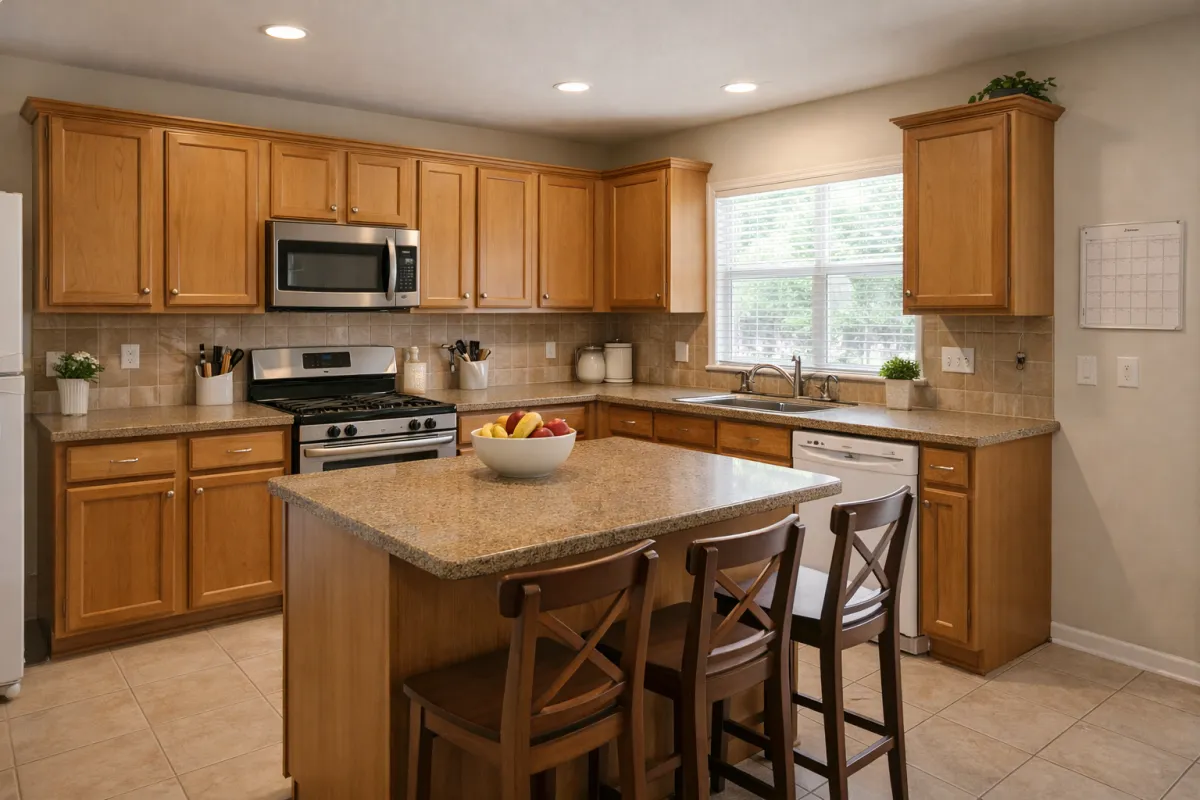
Buyers sense when photos and reality diverge. If your pictures lean hard into a remodeled kitchen but the inspection calls out undersized venting or lingering GFCI issues, you invite doubt. Doubt slows offers, and slow offers bring lower prices. The better play is disciplined alignment. If the kitchen is truly turnkey, we shoot it with edge-to-edge clarity, pull a few close-ups of hardware and countertop seams, and back it up with a captions note about the 2021 permit. If parts of the home are dated but structurally sound, we tell that truth visually with classic, symmetrical compositions, accurate color, and honest white balance. Luminis Media real estate photos are built for this kind of accuracy, which is why agents who price precisely see faster buyer engagement on day one.
The timing puzzle: when to inspect, when to shoot
Ideal sequencing is simple on paper and occasionally messy in practice. Here is the model that works 8 times out of 10:
- Pre-listing inspection completed and shared with listing team 10 to 14 days before target go-live. Quick wins and safety items fixed immediately.
- Punch list items addressed within 3 to 7 days, with receipts or invoices ready for the disclosure packet.
- Luminis Media listing photography and videography scheduled after high-impact fixes and deep clean. Twilight exteriors booked on the same day when feasible, or within 48 hours for stable weather.
- Media delivery within 24 to 48 hours, depending on package and add-ons such as floor plans or drone aerials.
- Listing copy finalized with inspection-supported claims.
When the calendar compresses, we prioritize improvements that media can amplify. A $400 paint touch-up on baseboards reads larger than its cost in ultra-wide lenses. Replacing a yellowed light switch bank near the kitchen island looks like a full lighting refresh in photos. We will often suggest small, fast tasks that buy disproportionate visual credibility.
What sellers need before the photographer walks in
A property can be clean and still not be ready for the lens. The camera turns clutter into chaos and mixed color temperatures into muddiness. Equally, it makes a well-prepared home look exceptional without resorting to gimmicks. Pairing the inspection’s punch list with practical prep creates the best canvas.
- Declutter surfaces in kitchens and baths, then remove 25 percent more. The extra reduction reads as spaciousness, especially on 24 mm equivalents.
- Balance color temperature. Replace cool and warm bulbs so fixtures match. Inconsistent lighting is the fastest way to make an expensive renovation feel cheap.
- Neutralize odors. Ventilate and, if needed, run an ozone treatment several days ahead. No amount of Luminis Media property photography will rescue a showing from a first whiff that says pet or mildew.
- Address high-contrast windows. Simple sheers or cleaned panes reduce blown highlights and save time in post.
- Park cars off site and clear driveways. The front elevation is often image number one. Give it room to breathe.
We provide a short checklist to sellers ahead of a shoot, and on arrival we edit that plan to the home. Sometimes it is as simple as rotating a dining table to align with the main axis, removing a single framed print that fights with the room’s palette, or dropping a heavy drape to allow even window light. Those micro-decisions stack up on the gallery page.
Matching media to the property’s story, not the template
There are homes that want quiet photographs, and there are homes that beg for motion. If a property’s strength is flow, Luminis Media real estate videography is worth the extra coordination. A pre-listing inspection that clears the deck for mechanical integrity lets us storyboard confidently. We can sweep through the main level in a single gimbal path, knowing the under-cabinet lighting will not flicker and the furnace hum will not bleed into audio. For a compact condo with perfect southern light, we may lean entirely on stills and a 3D tour, because the real sell is proportion, not drama.
Luminis Media listing photography has range for both. Natural-light sets at 1/60 with a bit of fill flash keep spaces authentic, while a bracketed capture and careful blend bring ceilings and shadow detail together without the plastic look. The right choice depends on the cabinetry sheen, the reflectivity of floors, the height of windows, and whether the inspection revealed elements we should not over-clarify. That is judgment built from hundreds of shoots, not a one-size rule.
When inspection findings are not perfect
They rarely are. The move is not to hide but to frame fairly. A roof with five to seven years left is not a marketing disaster if the rest of the house sings. We avoid tight shingle textures that invite nitpicking and instead give buyers the full architecture, clean ridge lines at golden hour, and a caption that focuses on the home’s strengths while the disclosure packet handles roof age. If an older electrical panel is safe but dated, we skip the close-up unless the agent requests it for transparency. Meanwhile, we do highlight the brand-new insulation in the attic hatch with a quick detail, because that kind of operational efficiency matters to the buyer who reads inspection summaries.
For homes with serious moisture notes, the plan changes. We steer clear of ultra-contrasty bathroom images that make caulk lines look harsh. We might back off macro lenses in tiled showers. If the seller remediates and has the paperwork, we return for targeted reshoots of those areas. The cost of an extra 20 minutes on site is trivial compared to the message clarity.
Captions and sequencing, the quiet workhorses
Listing galleries tend to be swallowed whole by buyers in under a minute. Sequence and captions decide whether the buyer slows down. After an inspection, we draft a shot list that aligns to a narrative arc. Exterior hero to establish place. Foyer to set tone. Main living area wide, then a detail that signals quality, like dovetail joints or a steam oven. Bedroom count and bath count covered with accurate variety. Outdoor living last, unless that is the hook, in which case it moves up front.
Captions are not stuffing grounds for adjectives. They carry facts the inspection can support: 2022 roof, PEX replumb, 200-amp service, sump with battery backup, transferable window warranty. The agent does not need to litigate those in the description if the photos whisper them throughout the gallery. Buyers feel informed without feeling sold to.
How Luminis Media fits into the listing team
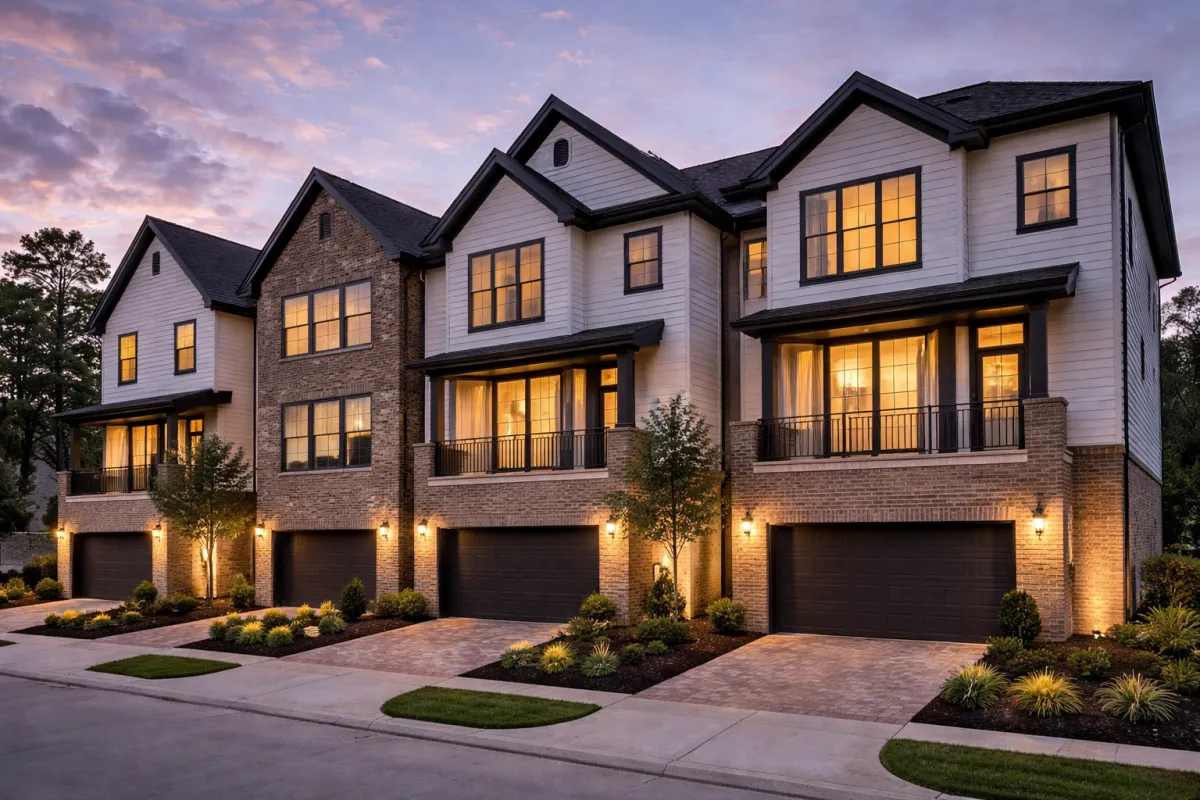
On the best days, we act like an extra project manager. The pre-listing inspection sets the scope, the contractor handles the fixes, and we shape the media plan in tandem with the agent’s pricing strategy. If the agent wants to launch softly to coming soon while repairs finish, we design a minimal exterior and community set first, with a rapid interior follow once work completes. If the agent needs to hit a weekend open, we pivot to a sunrise shoot that delivers by Friday noon. Real estate photography Luminis Media offers is less about a specific look and more about a reliable process that adapts to the rhythm of the sale.
The same logic applies to higher-end properties. Luminis Media luxury real estate photography uses more staging time, more site lighting, and often a second shooter. The pre-listing inspection at that level is usually robust, but it can also reveal hidden tech issues that matter visually, such as miscalibrated automated shades or inconsistent LED strip temperatures. We bring gels, neutral density, and control gear to harmonize what the report cannot fix in time.
A practical case: three houses, three strategies
A post-war rambler with a new furnace and older roof. The inspection was clean on structure, with a few tired outlets and a garage door opener nearing end of life. We scheduled photography after a two-day paint refresh, used morning light to avoid hot south-facing window flare, and kept exteriors at a moderate distance. Close-ups zeroed in on the new mechanicals, an attic insulation upgrade, and a tidy laundry area. The agent priced confidently, and the home sold after three days with two offers, no re-trade on inspection.
A downtown loft with original brick and exposed ducting. The inspection flagged a minor leak at a window seam and recommended sealing. Seller handled it in 48 hours. We leaned into texture and geometry, shot at a slightly stopped-down aperture to keep brick crisp without aliasing, and ran a short Luminis Media real estate videography walk-through to capture the light sweep from late afternoon. Captions noted the sealed seam and recent HVAC service. Buyer confidence held through the condo doc review.
A suburban luxury property with an addition. The inspection clarified permit status and a minor slope in one section of flooring, within tolerance. We adjusted our gimbal paths to avoid that segment on video and anchored the narrative to the chef’s kitchen, pool, and mature landscaping. Twilight exteriors carried most of the emotional weight. For transparency, the floor plan overlay included the addition geometry with accurate dimensions. The buyer’s agent walked in knowing exactly how the spaces related, which shortened the decision cycle.
The limits of media and how to respect them
Photography and video cannot correct neglect, and they should not be asked to. If a pre-listing inspection reveals active leaks or safety hazards, the right answer is to pause and remediate. Agents sometimes worry that delay kills momentum. In practice, a short, decisive fix communicated clearly outperforms launching into the market with a question mark. Luminis Media real estate photography carries more weight when it is backed by a solved problem, not a pending one.
Another limit is over-staging. When a report comes back glowing, there is a temptation to dress the home to the nines. Done wrong, heavy staging can read as theater and raise buyer suspicion. We prefer light, editorial choices that slip real estate photography out of the way and let architecture and light carry the scene. A simple linen on a bed, a single branch in a vessel near a window, a couple of layered textures on a sofa. It photographs as quality without shouting.
Coordination with vendors saves hours
An inspection that calls out moisture near a foundation corner means the landscaper might need to regrade a swale, the gutter team should add a downspout extension, and the photographer should schedule exteriors after the soil settles. We keep a vendor cadence chart for projects with more moving parts, and it looks ordinary: who is on site, for how long, and what must cure or settle before we shoot. The basic idea is to sequence work so we are not cloning out cones, earth piles, or open electrical plates in post. That discipline shortens editing, reduces reshoot risk, and keeps the story intact.
For agents who want one number to call, luminis.media real estate photography and videography packages can be paired with trusted vendor referrals. We do not take a cut from those trades. It is a workflow courtesy that gets the seller from inspection to launch with fewer texts and missed calls.
Drone, floor plans, and the inspection tie-in
Aerials are not just pretty. If the inspection mentions a new roof, the drone confirms it visually at a respectful altitude. We avoid oblique angles that exaggerate pitch and instead use even, midday light to keep shingle color honest. If gutters were just cleaned or guards installed, a light top-down frame can show it without making gutters the hero.
Floor plans matter when additions or conversions enter the story. We scan with LiDAR or bring a laser measure, depending on the home. The goal is accuracy that matches what the inspection and permits say. Nothing sours a showing like a buyer expecting a 12 by 14 primary and walking into an 11 by 12. Diagrams calm that expectation. For townhomes and condos, plans also clarify circulation and storage, which is hard to convey in photographs alone.
How disclosures and media support each other
When disclosures are complete and consistent with visuals, buyers stop looking for the catch. An agent can place the finished inspection summary in the documents tab and allow the photos to carry the emotional load. A quick caption can reference upgrades without overclaiming, such as water heater 2020 per seller, or panel upgrade, buyer to verify. That kind of integrity head off disputes later. Luminis Media real estate photos earn their keep here because they are color-true and perspective-correct. Straight lines and natural skin tones in family shots tell the visual brain the scene is reliable, which primes a buyer to trust the words too.
For teams that include a compliance review, we are happy to revise captions after counsel thumbs through the packet. Quick edits prevent mismatches between what is implied and what is documented.
Budgeting, value, and what not to skip
There is always a line where spend meets return. A rough, workable budget for a median single-family listing will often include a pre-listing inspection, essential repairs, deep clean, and a core Luminis Media listing photography package with 25 to 35 images. For properties where outdoor living is a meaningful price driver, add a twilight set. If the home’s selling point is flow or ceiling height that must be experienced, add a one to two minute video and a short social cut.
What not to skip: honest prep. If time is tight and you must choose between a marginal add-on and finishing patch and paint where the inspection property photography spring tx called out cosmetic cracking, fix the crack. Media performs best on a sound stage.
A simple pre-shoot punch list that respects the inspection
- Complete high-visibility fixes from the report: outlets, visible caulk lines, door latches.
- Replace mismatched bulbs so every room is one temperature.
- Remove personal items and half the counter appliances.
- Wash windows inside and out, and open or remove heavy drapes.
- Stage exterior: fresh mulch or raked gravel, coiled hoses, clean doormats.
If the property is occupied, we add an extra ten minutes per main room to reset after daily living. That time protects the image set and reduces post-processing work that can never fully beat a well-set scene.
What differentiates Luminis Media on inspection-aligned listings
There are many capable shooters. The difference with Luminis Media real estate photography is applied judgment under constraints. We read the inspection like a roadmap for storytelling, then design light, lens choice, and sequence to keep faith with that map. We do it without drama on site, which keeps the seller’s blood pressure down and the agent’s calendar intact. Real estate photos luminis.media produces are edited for natural finish, not algorithmic punch, so they wear well across portals and devices.
On projects where video elevates the pitch, real estate videography luminis.media teams deliver steady, quiet motion and color consistency that does not fight with the home’s palette. Audio is clean when narration helps, but we are not afraid of pure visual pieces when silence sells the mood.
Finally, we leave room for the human factor. The best listings feel lived in but not occupied. A pre-listing inspection tells us where the bones are. Our cameras and small crew handle the rest, one measured frame at a time.