How Luminis Media Property Photography Boosts Click-Through Rates
Real estate marketing lives or dies in the first second. A potential buyer scrolls past dozens of options on a portal, a social feed, or an email digest, and the decision to click often comes down to a single thumbnail. That one image must signal value, reduce doubt, and promise a rewarding viewing experience. When agents tell me their listing has great bones but low traffic, the first place I look is the cover photo and how it translates into smaller formats. The second is consistency across the set. Luminis Media property photography is set up to excel at both, and that is where meaningful gains in click-through rate usually begin.
CTR is not luck, it is design
Click-through rate, across real estate portals and ad platforms, behaves predictably when you control the right variables. The image that appears first exerts outsized influence. Its brightness, subject prominence, and compositional clarity matter more than the size of the home in square feet. We have learned this from years of seeing how the same property, shot differently, performs very differently once syndicated. Real estate photos that are stunning in a gallery can still underperform if they lose detail when shrunk to a 320 pixel thumbnail or when the crop trims away the focal point.
When teams ask for a quick win, we start with two levers: hero photo selection and platform-specific crops. This is where a specialist has an advantage. Luminis Media real estate photography is planned with final display constraints in mind, not just in-camera aesthetics. That means we shoot and edit for multiple aspect ratios and anticipate the portal’s automatic cropping behavior. On some platforms, a horizontal front elevation with 40 percent sky looks airy on desktop but turns into a band of roof tiles on mobile. On others, a vertical interior shot shows more of the staircase drama and stops the scroll. The selection depends on the property’s strengths and the channel where the traffic originates.
Why better images get more clicks
Beyond taste, strong property photography increases perceived value and reduces ambiguity. Buyers hesitate when they cannot decode a space, when windows blow out to white patches or light fixtures cast heavy orange. The lingering question is, what is being hidden? When luminis.media real estate photography clients move from DIY images to a professional set, the biggest change is the reduction of doubt. Lines are straight, whites are neutral, window views are visible, and rooms feel coherent. Each of those choices chips away at friction that otherwise depresses curiosity and, by extension, CTR.
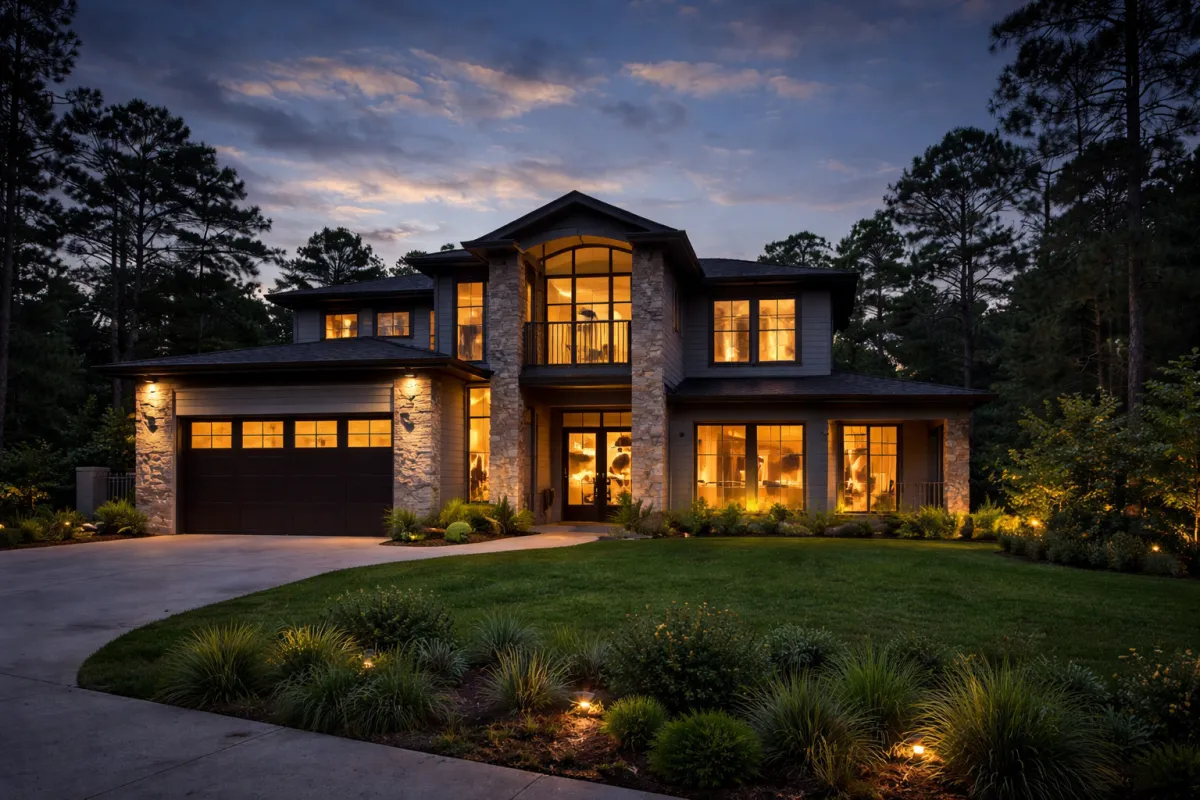
Clarity signals care. If an agent invests in high quality visuals, a buyer expects the rest of the process to be well managed. That implicit promise makes the first click feel safe. I have watched investors who normally skim through rental listings stop on a crisp twilight exterior and click because the photo communicated pride of ownership. The same principle applies to luxury listings. Luminis Media luxury real estate photography frames craftsmanship with precision, but the behavior change is the same: better photos pull buyers into the story faster.
The mechanics of an effective thumbnail
A thumbnail is a harsh critic. It compresses tonal range and erases delicate texture. What survives are bold shapes, clean contrast, and a clear subject. For exteriors, that might mean adjusting the camera height so the property sits strong against the sky, trimming busy foreground shrubs, and balancing exposure so the roofline reads in a single glance. For interiors, it often means avoiding deep corner compositions that look elegant full screen but collapse into visual noise when small.
We adapt lighting and composition to that reality. With Luminis Media listing photography, the first pass is about orientation and geometry. Vertical lines stay vertical, doors are either closed or purposefully open, and depth cues are obvious. Windows are treated as part of the composition rather than a problem area. If the view sells the home, we shoot and blend in a way that preserves it without creating the artificial halo that careful buyers have learned to distrust. That balance is the difference between a beautiful picture and a reliable click magnet.
Lighting and dynamic range, without the plastic look
Buyers can spot overediting as quickly as they notice a dark, grainy room. We prioritize natural light first, then add just enough fill to guide the eye. For spaces with mixed color temperatures, we neutralize the cast so whites look like whites, not pale yellow or blue. In post, we pull back on global contrast and build local separation where it matters, for example between a quartz island and a stainless range, so the kitchen reads as high value in small formats.
Twilight exteriors deserve special mention. Used sparingly, they lift CTR because they punch through busy feeds and email grids. But not every property earns a dusk slot. A home with strong landscaping, layered rooflines, and warm interior glow benefits. A flat facade or deep porch shadow can look muddy at dusk. When Luminis Media real estate photos include a twilight, the decision is based on how that exact elevation translates to the platform’s thumbnail. The goal is magnetism, not a uniform recipe.
Consistency builds trust across the gallery
A click is the first conversion. The next is keeping someone on the page. Gallery rhythm matters because it rewards that initial curiosity. We open with the strongest orientation image, follow with context, and then move inside with clean, left-to-right logic so a buyer can mentally walk the space. For rentals, the sequence addresses deal-breakers early, like storage, parking, or laundry, to prevent back-button fatigue. For luxury, we slow down and let details breathe, because those buyers want to savor craftsmanship. Real estate photos luminis.media delivers are edited as a set, so color and exposure stay consistent from frame to frame. That cohesion stabilizes perceived quality and protects the CTR you worked to earn, especially on retargeting ads where a single mismatched frame can reset trust.
The critical decision: choosing the hero image
There is no universal cover that works everywhere. On aggregator portals, exteriors with strong curb appeal dominate. On social, interiors with depth and natural light perform better, especially kitchens and great rooms that hint at lifestyle. On email digests, a bright, minimally cluttered scene with a simple color palette reads clean at small size. We test across channels. One lakefront listing earned more clicks with a wide great room that pulled the horizon line through two windows. A similarly priced property in the same area did better with a tight slice of the deck rail and water, because the interior had competing focal points that turned into visual noise on mobile.
Luminis Media property photography is built around that kind of decision making. We do not just shoot the obvious angles, we create options that let the marketer adapt to where the traffic is coming from that week. If an agent is leaning on Google Business Profile to capture local buyers, we tailor a square crop with slightly more texture and contrast to hold up in that environment. If the push is paid social, we create a vertical crop with breathing room at the top for ad copy overlays that do not intrude on the subject.
Composition choices that survive compression
Wide lenses are helpful, but too wide flattens edges and stretches furniture into odd proportions that look cheap when small. We prefer focal lengths that feel honest and use careful camera placement to open sightlines. We also stage light. A clean counter with three strong shapes beats a busy island with six items that melt together at thumbnail size. We straighten lampshades, align bar stools, and pull competing decor to a side table if it muddies the read. None of this is complicated, but it is tedious, and it pays off.
The same logic applies outside. If the driveway is the least attractive element, we do not let it take 40 percent of the frame. We shift angle, raise height, or compress with a longer lens so the architecture commands attention. If wires cut through the sky, we adjust our vantage where legal and safe, or time a shot to minimize distraction. Those small decisions add up to a thumbnail that wins the micro contest for attention.
File delivery that respects how platforms render images
A common hidden reason for low CTR is technical, not aesthetic. Overcompressed images can smear fine lines and make siding or tile look soft. Undercompressed files load slowly and can show last on a page, missing the first glance. We deliver images tuned to the platform’s sweet spot. For MLS and portals that transcode heavily, we start with slightly higher sharpening and a touch more microcontrast so details survive downsampling. For social ads, we build vertical crops at the exact aspect ratio the ad set expects and export at sizes that avoid platform-side softening.
File naming and metadata matter too. While most portals strip EXIF data, some social and CMS setups retain titles or alt text, which can influence how an image is indexed and displayed. We include sensible, human-readable names so teams can move fast. With luminis.media listing photography, galleries arrive with a recommended cover and alternates labeled by use case, such as portal cover, social vertical, and email square. That alone saves back-and-forth and encourages testing.
Video that lifts the thumbnail
Short motion, when used intelligently, raises CTR without bloating load time. Luminis Media real estate videography produces quick, platform-native cuts that tease, not tell. A five to eight second loop of a sliding door opening to a view or a gentle push into a fireplace scene stands out in crowded feeds. Sound is optional. The motion should be calm, steady, and free of whip pans or flashy transitions that date quickly. We often pair the loop with a static cover option so the marketer can choose based on channel behavior. Some email clients do not play motion, while Instagram Reels will reward it. The goal is the same, to earn that first tap through to the full gallery or property site.
Ethical virtual staging that supports clicks, not complaints
Virtual staging can lift CTR because it helps buyers interpret scale and use. It also risks blowback when misused. We adhere to clear, defensible rules. We never remove permanent flaws like power lines or alter views. We do not change flooring or paint colors digitally without disclosure. What we will do is furnish a vacant room with pieces that echo the property’s price point and likely buyer profile. For smaller condos, we use slightly smaller furniture than showroom scale so the room reads more spacious in small formats. On luxury listings, we avoid trend-chasing and aim for understatement that conveys quality.
When used this way, staged images invite a click because they feel approachable and useful. Buyers can orient themselves, and that clarity beats the suspicion that often follows heavy-handed edits.
A practical framework for A and B testing
You do not need a giant budget to test covers. The trick is to control variables and make decisions quickly. Start with two strong candidates that differ clearly, for example a front elevation versus a kitchen interior. Run each for a set window that captures enough impressions to be meaningful, then pick a winner and move on. Avoid testing micro-variants of the same angle unless traffic is very high, because the difference will get lost in noise.
When we help teams with testing, we track CTR on each channel separately. Portal CTR behaves differently from paid social CTR, and an email hero can be a third story. It is common to see the winner on one channel underperform elsewhere. When that happens, we do not force uniformity. We tailor the hero by channel for the first 72 hours, then harmonize once the listing has momentum. This is where a library from Luminis Media real estate photography earns its keep. With multiple viable covers prepared, you can pivot without scheduling a reshoot.
Five levers that move CTR now
- Choose a hero image for each channel, not one image for all channels.
- Crop and export to the exact aspect ratios and sizes each platform prefers.
- Favor compositions with a single, obvious subject that reads at thumbnail size.
- Use natural-looking lighting and color so spaces feel trustworthy, not plastic.
- Sequence the gallery to reward the click with clarity and flow.
Where CTR matters most in real estate marketing
- Portal search results and featured placements.
- Paid social ads driving to the listing page or property site.
- Email newsletters and broker blasts.
- Google Business Profile photo carousels for local search.
- Retargeting creatives that follow interested buyers across the web.
The first 24 hours and why speed counts
Algorithms and human behavior both reward freshness. The first day is when a listing earns a spot in saved search alerts, email digests, and social timelines. If your cover image underperforms during that window, you can spend the next week trying to dig out. Luminis Media real estate photos are delivered with a quick-turn option so agents can launch with the right assets when a property is cleared to go live. We aim to get the first set in the marketer’s hands while the home is still clean and the crew is on site, so any last angles can be picked up in a short return visit if needed. It is a small operational tweak that protects the CTR window when it is most fragile.
Collaborating with agents and stagers to unlock the click
Great photos begin with alignment. Before a shoot, we ask for the buyer profile, the three most valuable features, and the two likely objections. If the target is a downsizing couple, we will prioritize main-level living, quiet outdoor space, and storage. If the likely buyer is a city commuter, we will show entry convenience, work-from-home options, and nearby transit cues where allowed. Luminis Media real estate photography is not one-size-fits-all because the same square footage can tell different stories depending on who you want to attract. Those choices, made deliberately, produce images that feel relevant, and relevance is click fuel.
On site, we coordinate with stagers to simplify sightlines that collapse at small sizes. We pull bright throws that shout in thumbnails, and we avoid mirrors that double visual clutter. Post-shoot, we share a short rationale for the recommended hero and alternates. Agents appreciate the context, and it makes internal approvals faster.
Pricing, ROI, and the real math of better CTR
Agents sometimes ask if premium photography is only for luxury listings. The math argues otherwise. Higher CTR lowers cost per click on paid channels because relevance scores improve. It increases organic exposure because portals and social feeds prioritize content that draws engagement. It shortens time on market indirectly by deepening the pool of serious viewers early. The investment in real estate photography Luminis Media provides is not a vanity spend, it is a demand creation tool.
We also keep an eye on diminishing returns. There are cases where adding an extra specialty shot or a second twilight does not move the needle. A small starter home near a busy road might perform best with an honest, bright daytime exterior and a clean, well-lit interior set, full stop. Professional judgment is knowing when to stop polishing and ship.
Edge cases and how we handle them
Not every property is easy. Tenant-occupied homes often have constraints on prep and access. In those cases, we schedule during maximum daylight, bring compact lighting that sets up fast, and work room by room with a light declutter kit so each frame reads clean. If weather shifts and skies go flat, we blend a realistic sky that matches the scene’s lighting and keep it subtle. If a view sells the listing but the glass is dirty, we adjust angles and time shots to minimize glare, then communicate what we can and cannot fix ethically.
For new construction with unfinished landscaping, we choose tighter compositions on hero frames and save the wider views for later updates. For properties with stunning but seasonal features, like a pool or foliage, we plan the shoot around the best window. That planning pays back in stronger thumbnails that keep earning clicks even after the early rush.
What working with Luminis Media looks like
Our process is simple by design. A short pre-shoot brief clarifies the buyer, the features to emphasize, and the channels you will lean on most. On shoot day, we stage lightly, shoot options for multiple aspect ratios, and build a hero bench that spans exterior, interior, and lifestyle emphasis. Post-production focuses on clarity, color honesty, and platform resilience. Delivery includes a suggested gallery order, labeled hero options, and crops sized for portals, social, and email.
For clients who also book Luminis Media real estate videography, we plan motion that complements the stills without repeating them. A vertical kitchen sequence for Reels, a horizontal great room glide for property sites, and a short exterior loop for ads is a common trio. Everything points to the same goal, a first image that wins attention and a second that rewards the click.
The quiet habits that add up to higher CTR
I keep a running list of small habits that, taken together, move performance. Clean windows matter more than fancy gear on view homes. A half step back to restore breathing room in a tight bathroom makes the thumbnail read more expensive. Turning on fewer lights, not more, prevents color cast that muddies whites. Waiting for a cloud to soften a hard midday beam can save a room from looking patchy. Asking the agent which buyers have been inquiring informs what we lead with in the gallery. None of these are dramatic by themselves. Combined, they produce the sense of care that turns a passive scroll into an active click.
Bringing it all together
Click-through rate is a proxy for buyer curiosity. Curiosity grows when the first image feels clear, honest, and worth more attention than the one above and the one below. That is a photography problem at its core, but also a marketing craft problem. Luminis Media real estate photography, across stills and motion, is built around that intersection. We shoot for the way images are actually consumed, not just how they look on a big monitor in a quiet room. We choose covers by channel, compose for thumbnails, edit for trust, and deliver options so you can adapt fast.
If your listings are getting impressions but not clicks, the fix is within reach. Start with the hero, tune the commercial real estate photography Luminis Media crop, clean the color, and sequence with intent. Use motion where it helps, disclose staging honestly, and test quickly in the first day. That is the practical path we follow on every project, from entry-level condos to showcase estates. Done consistently, it turns photography into a measurable growth lever, not a line item you hope pays off. And in a market where attention is scarce, that discipline is what separates the listings that linger from the ones that lead.